
How Hormones Actually “Detox” (Spoiler: It’s Mostly Your Liver, Not a Lemon Cleanse)
Hormones are chemical messengers that control just about everything in your body. Your energy metabolism, mood, sleep, sex drive, weight, and temperature. The pituitary gland, adrenal glands, and thyroid gland pump them out, and the endocrine system keeps everything coordinated.
But here’s what the “detox” marketers leave out: you don’t “sweat out estrogen” or “pee out cortisol” on command. Your liver breaks hormones down, and then your gut health and kidneys help eliminate excess hormones from your system.
This happens naturally, every single day. Estrogen dominance can occur when the body does not efficiently eliminate excess estrogen; supporting liver and gut health can help address this imbalance.
Extreme detoxes—very low calories, juice-only diets, laxative teas—can actually backfire. They spike your stress hormone (cortisol), slow your metabolism, and stress your nervous system. For anyone dealing with perimenopause, menopause, or andropause, that’s the opposite of what you need.
The goal isn’t to “wipe hormones clean.” It’s to support healthy hormone levels while your body navigates natural hormonal changes. Let’s look at how.
Food First: How to Eat a Healthy Diet for Hormone Balance Without Going on a “Detox Diet”
Steady blood sugar and gut health are two of the biggest nutrition levers for your hormones. Don't worry about calorie counting. Just focus on eating real food consistently.
A healthy diet rich in whole foods, fruits, vegetables, vitamins, and healthy fats is essential for natural hormone balance and preventing hormone imbalances.
Most people experience improvements in hormonal health within 4–6 weeks of consistent lifestyle changes.
Protein at every meal for hormonal balance
Protein supports thyroid hormones, insulin sensitivity, and sex hormones estrogen, progesterone, and testosterone. Aim for a palm-sized portion 2-3 times daily.
Protein provides essential amino acids your body can’t make on its own, the building blocks for peptide hormones that regulate everything from appetite to reproduction.
Nutrient deficiencies, especially from restrictive diets, can disrupt hormone production and overall health. Good sources: eggs, chicken, fish, lentils, Greek yogurt.
Healthy fats
Healthy fats are essential for the production of steroid hormones such as estrogen, progesterone, and testosterone, and can help regulate these hormones by providing necessary nutrients.
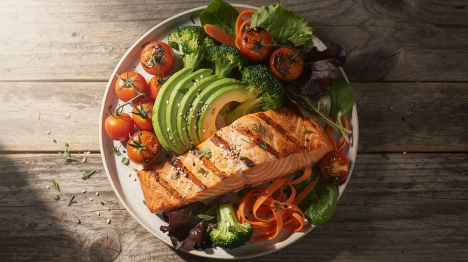
Good fats are literally the raw material for steroid hormones. Think olive oil, avocado, nuts, seeds, fatty fish, and pastured eggs. These are everyday ingredients that keep your hormone production running.
Omega-3 fatty acids, found in fatty fish and some seeds, are important for regulating hormone levels, reducing inflammation associated with menstrual pain, and supporting healthy fetal development during pregnancy.
Fiber and cruciferous vegetables support hormone health
Fiber and veggies deserve special attention, especially for women. Soluble fiber binds to excess estrogen in your digestive tract, helping eliminate excess estrogen rather than reabsorbing it.
Broccoli, Brussels sprouts, cabbage, and kale assist estrogen metabolism in the liver. Fiber-rich foods also prevent insulin resistance and support a healthy gut microbiome.
Probiotics promote healthy gut bacteria, which can aid in balancing stress and hormone levels, improving digestion, and reducing inflammation.
Limit refined carbs and sugar to balance your hormones
To maintain insulin sensitivity, cut sugar and refined carbs. Blood sugar spikes lead to inflammation and weight gain, particularly around the midsection.
Swap soda for sparkling water, not perfection for punishment. Hydration is essential for transporting hormones and detoxifying waste, so drink plenty of water throughout the day.
Effective natural methods to balance hormones include eating a nutrient-dense, high-protein diet, engaging in regular exercise, and managing stress.
A balanced diet rich in protein, healthy fats, and fiber is crucial for maintaining hormonal equilibrium, as these nutrients directly impact hormone regulation and overall health.
Watch the alcohol to improve your gut health
Regular nightly drinks disrupt your sleep-wake cycle, cortisol levels, and estrogen levels. Set realistic limits and gradually go down over time if you can.
Supplements (B Vitamins, Vitamin D, and More)
Some supplements can also play a role in improving your health.
Magnesium is essential for the production of steroid hormones such as testosterone, DHEA, progesterone, and estrogen, and it helps convert tryptophan into serotonin, which regulates mood and sleep.
Vitamin D deficiency has been linked to adverse pregnancy outcomes and affects both insulin secretion and insulin resistance, making it crucial for hormone balance.
Adaptogens like ashwagandha may help lower cortisol levels and support stress management.
Sample “Hormone-Friendly” Day of Eating (No Starvation Required)
This is what a realistic day looks like:
Meal
Example
Breakfast
Scrambled eggs with spinach and avocado, OR Greek yogurt with berries and ground flaxseed
Lunch
Big salad with mixed greens, grilled chicken or chickpeas, olive oil dressing, quinoa
Dinner
Baked salmon or tofu, roasted Brussels sprouts, sweet potato
Snacks
Apple with almond butter, carrots with hummus, small handful of nuts
This hits protein, healthy fats, and fiber at every meal, supporting blood sugar stability and better sleep without deprivation.
Stress, Cortisol Levels, and Why “Just Relax” Doesn’t Cut It
Midlife stress is real: aging parents, teenagers, careers, relationships, financial pressures, and a body that feels unfamiliar. Telling someone to “just relax” is about as helpful as those detox teas.
Chronic stress leads to elevated cortisol levels, which can result in adrenal fatigue and other hormone-related issues such as insulin resistance, clinically low sex hormones, increased belly fat, worse hot flashes, erectile dysfunction, and other health concerns such as chronic inflammation and hormonal imbalances.
Your body doesn’t know the difference between a bear attack and your overflowing inbox, but it reacts the same way.
You don’t need to become a meditation guru. Just try:
- 5-10 minutes of breathwork
- Short walks outside
- Saying “no” more often
- Setting work boundaries around evenings
Incorporating stress management techniques like yoga, meditation, mindfulness, and deep breathing exercises into your life can help lower cortisol levels and improve hormonal balance.
If anxiety or low mood feels extreme or persistent, talk with your healthcare provider. Untreated mental health concerns can worsen hormonal symptoms, and vice versa.
Sleep: Your Free, Built-In Hormone Reset Button
Poor sleep is linked to imbalances in insulin, cortisol, leptin (the hunger hormone), ghrelin, and growth hormone.
Sleep is essential for our well-being, and hormone imbalances have been shown to directly result from a lack of sleep, creating a vicious cycle where poor sleep perpetuates hormone imbalances.
Your brain needs uninterrupted sleep to cycle through all five sleep stages. This is particularly important for growth hormone release during deep sleep.
For optimal hormone balance, it is recommended to aim for seven to eight hours of sleep every night, as consistent sleep is vital for regulating hormones such as cortisol, somatotropin, and leptin.
Practical, non-perfectionist habits for better sleep:
- Go to bed within the same 30-60 minute window each night (supports circadian rhythm)
- Dim the lights an hour before bed
- Charge your phone outside the bedroom
- Keep the bedroom cool with breathable bedding
- Limit alcohol, especially with night sweats
To achieve high-quality, uninterrupted sleep, it is important to avoid blue light exposure at night, as this can prevent cortisol spikes and aid melatonin production, which helps with winding down.
Common midlife sleep disruptors (2 a.m. awakenings, night sweats, racing thoughts) are frustrating. At MedStudio, we often see sleep improve dramatically once estrogen, progesterone, or testosterone are brought back into a healthy range with therapy.

Food First: How to Eat a Healthy Diet for Hormone Balance Without Going on a “Detox Diet”
Steady blood sugar and gut health are two of the biggest nutrition levers for your hormones. Don't worry about calorie counting. Just focus on eating real food consistently.
A healthy diet rich in whole foods, fruits, vegetables, vitamins, and healthy fats is essential for natural hormone balance and preventing hormone imbalances.
Most people experience improvements in hormonal health within 4–6 weeks of consistent lifestyle changes.
Protein at every meal for hormonal balance
Protein supports thyroid hormones, insulin sensitivity, and sex hormones estrogen, progesterone, and testosterone. Aim for a palm-sized portion 2-3 times daily.
Protein provides essential amino acids your body can’t make on its own, the building blocks for peptide hormones that regulate everything from appetite to reproduction.
Nutrient deficiencies, especially from restrictive diets, can disrupt hormone production and overall health. Good sources: eggs, chicken, fish, lentils, Greek yogurt.
Healthy fats
Healthy fats are essential for the production of steroid hormones such as estrogen, progesterone, and testosterone, and can help regulate these hormones by providing necessary nutrients.
Good fats are literally the raw material for steroid hormones. Think olive oil, avocado, nuts, seeds, fatty fish, and pastured eggs. These are everyday ingredients that keep your hormone production running.
Omega-3 fatty acids, found in fatty fish and some seeds, are important for regulating hormone levels, reducing inflammation associated with menstrual pain, and supporting healthy fetal development during pregnancy.
Fiber and cruciferous vegetables support hormone health
Fiber and veggies deserve special attention, especially for women. Soluble fiber binds to excess estrogen in your digestive tract, helping eliminate excess estrogen rather than reabsorbing it.
Broccoli, Brussels sprouts, cabbage, and kale assist estrogen metabolism in the liver. Fiber-rich foods also prevent insulin resistance and support a healthy gut microbiome.
Probiotics promote healthy gut bacteria, which can aid in balancing stress and hormone levels, improving digestion, and reducing inflammation.
Limit refined carbs and sugar to balance your hormones
To maintain insulin sensitivity, cut sugar and refined carbs. Blood sugar spikes lead to inflammation and weight gain, particularly around the midsection.
Swap soda for sparkling water, not perfection for punishment. Hydration is essential for transporting hormones and detoxifying waste, so drink plenty of water throughout the day.
Effective natural methods to balance hormones include eating a nutrient-dense, high-protein diet, engaging in regular exercise, and managing stress.
A balanced diet rich in protein, healthy fats, and fiber is crucial for maintaining hormonal equilibrium, as these nutrients directly impact hormone regulation and overall health.
Watch the alcohol to improve your gut health
Regular nightly drinks disrupt your sleep-wake cycle, cortisol levels, and estrogen levels. Set realistic limits and gradually go down over time if you can.
Supplements (B Vitamins, Vitamin D, and More)
Some supplements can also play a role in improving your health.
Magnesium is essential for the production of steroid hormones such as testosterone, DHEA, progesterone, and estrogen, and it helps convert tryptophan into serotonin, which regulates mood and sleep.
Vitamin D deficiency has been linked to adverse pregnancy outcomes and affects both insulin secretion and insulin resistance, making it crucial for hormone balance.
Adaptogens like ashwagandha may help lower cortisol levels and support stress management.
Sample “Hormone-Friendly” Day of Eating (No Starvation Required)
This is what a realistic day looks like:
Meal
Example
Breakfast
Scrambled eggs with spinach and avocado, OR Greek yogurt with berries and ground flaxseed
Lunch
Big salad with mixed greens, grilled chicken or chickpeas, olive oil dressing, quinoa
Dinner
Baked salmon or tofu, roasted Brussels sprouts, sweet potato
Snacks
Apple with almond butter, carrots with hummus, small handful of nuts
This hits protein, healthy fats, and fiber at every meal, supporting blood sugar stability and better sleep without deprivation.
Stress, Cortisol Levels, and Why “Just Relax” Doesn’t Cut It
Midlife stress is real: aging parents, teenagers, careers, relationships, financial pressures, and a body that feels unfamiliar. Telling someone to “just relax” is about as helpful as those detox teas.
Chronic stress leads to elevated cortisol levels, which can result in adrenal fatigue and other hormone-related issues such as insulin resistance, clinically low sex hormones, increased belly fat, worse hot flashes, erectile dysfunction, and other health concerns such as chronic inflammation and hormonal imbalances.
Your body doesn’t know the difference between a bear attack and your overflowing inbox, but it reacts the same way.
You don’t need to become a meditation guru. Just try:
- 5-10 minutes of breathwork
- Short walks outside
- Saying “no” more often
- Setting work boundaries around evenings
Incorporating stress management techniques like yoga, meditation, mindfulness, and deep breathing exercises into your life can help lower cortisol levels and improve hormonal balance.
If anxiety or low mood feels extreme or persistent, talk with your healthcare provider. Untreated mental health concerns can worsen hormonal symptoms, and vice versa.
Sleep: Your Free, Built-In Hormone Reset Button
Poor sleep is linked to imbalances in insulin, cortisol, leptin (the hunger hormone), ghrelin, and growth hormone.
Sleep is essential for our well-being, and hormone imbalances have been shown to directly result from a lack of sleep, creating a vicious cycle where poor sleep perpetuates hormone imbalances.
Your brain needs uninterrupted sleep to cycle through all five sleep stages. This is particularly important for growth hormone release during deep sleep.
For optimal hormone balance, it is recommended to aim for seven to eight hours of sleep every night, as consistent sleep is vital for regulating hormones such as cortisol, somatotropin, and leptin.
Practical, non-perfectionist habits for better sleep:
- Go to bed within the same 30-60 minute window each night (supports circadian rhythm)
- Dim the lights an hour before bed
- Charge your phone outside the bedroom
- Keep the bedroom cool with breathable bedding
- Limit alcohol, especially with night sweats
To achieve high-quality, uninterrupted sleep, it is important to avoid blue light exposure at night, as this can prevent cortisol spikes and aid melatonin production, which helps with winding down.
Common midlife sleep disruptors (2 a.m. awakenings, night sweats, racing thoughts) are frustrating. At MedStudio, we often see sleep improve dramatically once estrogen, progesterone, or testosterone are brought back into a healthy range with therapy.
Movement That Helps Hormones (No “Boot Camp Cleanse” Required)
The best exercise for hormone health is the one you’ll actually do consistently. More “walks and weights,” less “punish yourself for 90 minutes then quit.”
Regular movement improves insulin sensitivity, supports hormone receptor sensitivity, enhances blood flow, and helps regulate hormones, including thyroid hormones, cortisol, and testosterone.
Exercise can also help reduce insulin resistance and alleviate symptoms of hormone imbalances by supporting metabolic health and overall well-being.
High Intensity Interval Training (HIIT) is particularly effective for correcting hormonal imbalances caused by stress and a sedentary lifestyle, as it improves insulin sensitivity and reduces stress hormone levels. It also directly impacts stress levels and overall health.
Here’s the balance:
- Move most days (walking counts)
- Lift 2-3 days per week
- Don’t overdo it
Chronic, extreme workouts, like daily 60-minute high-intensity classes, can backfire for women in perimenopause or men with low testosterone by spiking cortisol even higher.
Examples that work: 30-minute brisk walks, 20-minute home strength sessions, weekend bike rides, yoga. Starting where you are counts. Even 10 minutes after dinner is a win.
Strength Training for Midlife Hormones
Building muscle can have a huge impact on blood sugar control, resting metabolism, bone density, and support for testosterone and growth hormone. The body produces less of these hormones naturally as we age, but strength training helps.
Try 2-3 days per week of simple full-body workouts:
- Squats to a chair
- Wall push-ups
- Rows with resistance bands
- Light deadlifts
Toxins, Endocrine Disruptors, and Why You Don’t Need a “Detox Kit”
Some chemicals (BPA, phthalates, certain pesticides) can mimic or interfere with hormone signals, contributing to hormonal imbalance.
Reducing exposure to these endocrine disruptors can help balance your hormones and prevent future hormonal imbalance. But panic and perfection aren’t helpful. The goal is reducing exposure over time, not a dramatic “flush.”
Realistic changes:
- Use glass or stainless containers instead of heating plastic
- Choose fragrance-free cleaning products
- Wash hands before eating
- Buy organic for the “Dirty Dozen” endocrine disruptors when budget allows
- Rinse all produce well
Hydration, regular bowel movements, and sweating through normal exercise support your body’s natural detox pathways far better than colon cleanses or extreme supplements.
Supplements: Helpers, Not Hormone Heroes
Supplements can support hormonal health but cannot replace medical treatment when hormone levels are significantly off.
Certain supplements may help alleviate symptoms associated with hormonal fluctuations, but they should be chosen carefully and with professional guidance. Think of them as support, not solutions.
Evidence-backed options include:
- Magnesium for sleep and stress
- Vitamin D for mood and immune function
- Omega-3s for inflammation
- B vitamins for energy metabolism
- Milk thistle for liver support
That said, self-prescribing hormone-active herbs or “testosterone boosters” without lab work is risky.
Many “detox” blends are just laxatives and diuretics, causing dehydration and electrolyte imbalances without improving overall hormonal balance.
When Natural Tweaks Aren’t Enough: Getting to the Root Cause of Hormonal Imbalance
Here’s something we see constantly: people doing everything “right” with food, movement, and sleep, and still feeling exhausted, irritable, low-libido, or unable to lose weight.
That’s not failure. That’s biology.
Persistent hormone imbalances may require professional evaluation to identify root causes and restore well-being.
In perimenopause, menopause, and male hormone decline, lifestyle changes may not fully restore hormonal balance because hormone production itself has changed. You can’t nutrition your way out of ovaries that are winding down.
Key hormones to test include estrogen, progesterone, testosterone, thyroid hormones, insulin, cortisol, and essential nutrients like vitamin D.
Addressing insulin resistance is also important, as improving insulin sensitivity can help restore hormone balance and support metabolic health.
MedStudio’s approach: detailed symptom review, comprehensive lab testing, and a plan that may include natural hormone therapy (like pellets), nutritious foods guidance, gut health support, and weight loss strategies.
This isn’t a “one-and-done” treatment. Regular lab monitoring and dose adjustments ensure safety and optimal health.
Signs It’s Time to See a Hormone Specialist
Consider seeing a healthcare provider if you’re experiencing:
- Hot flashes or night sweats disrupting sleep
- Painful sex or vaginal dryness
- Stubborn weight gain despite effort
- Low libido or erectile dysfunction
- Extreme fatigue that doesn’t improve
- Persistent brain fog
- Mood swings affecting relationships or work
- Irregular periods
Thyroid warning signs: feeling cold constantly, hair thinning, constipation, unexplained weight gain, high blood pressure, or heart palpitations.
Don’t dismiss symptoms as “just getting older,” especially if they impact reproductive health, male reproductive health, women’s health, or mental health.
Ready to Feel Like Yourself Again? Let's Chat
At MedStudio, we combine expert hormone care with a warm, personalized approach. You deserve to feel energized, clear-headed, and connected. Hormone replacement therapy and pellets can help you get there.
Schedule a free consultation and take the first step toward feeling like yourself again.